FuelWise Healthy Eating Tips
Mastering Portion Control
One of the most effective ways to manage your weight and improve your health is by practicing portion control. It's easy to overeat, especially when faced with large servings. Here are some tips to help you control your portions:
- Use Smaller Plates and Bowls: Opt for smaller dishware to visually trick your brain into thinking you're eating more than you actually are.
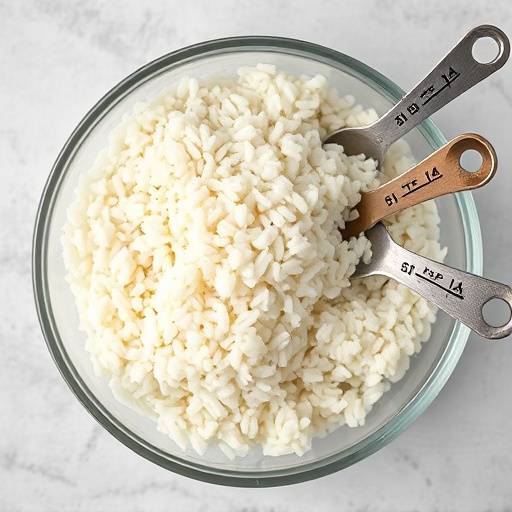
- Measure Your Food: Use measuring cups and spoons to accurately portion out your meals. This is especially helpful for calorie-dense foods.
- Read Food Labels: Pay attention to serving sizes listed on food labels. Be mindful of how many servings you're consuming.
- Don't Eat Straight from the Package: Pour snacks into a bowl instead of eating directly from the bag to avoid mindless overeating.
- Listen to Your Body: Pay attention to your hunger and fullness cues. Stop eating when you're satisfied, not stuffed.
- Pre-Portion Snacks: Divide large bags of snacks into individual servings to grab and go.
The Art of Mindful Eating
Mindful eating is about paying attention to your food and the experience of eating. It can help you develop a healthier relationship with food and prevent overeating. Try these mindful eating techniques:
- Eliminate Distractions: Turn off the TV, put away your phone, and find a quiet place to eat.
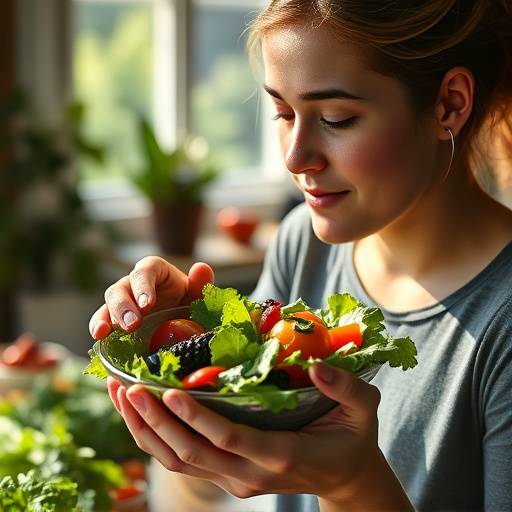
- Focus on Your Food: Notice the colors, textures, smells, and tastes of your food.
- Chew Slowly and Thoroughly: Savor each bite and chew your food completely before swallowing.
- Engage Your Senses: Pay attention to how the food feels in your mouth and how your body responds to it.
- Listen to Your Body: Recognize when you're hungry and when you're full. Stop eating when you're satisfied, not stuffed.
- Ask Yourself Why You're Eating: Are you truly hungry, or are you eating out of boredom, stress, or habit?
Healthy Substitutions for a Healthier You
Making small, healthy substitutions in your diet can have a big impact on your overall health. Here are some simple swaps you can make:
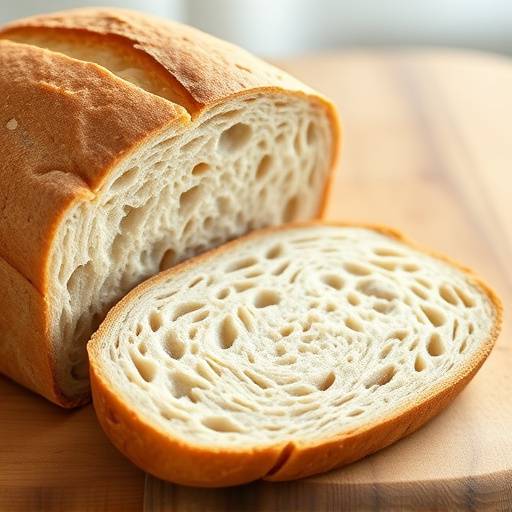
- Swap White Bread for Whole Grain Bread: Whole grain bread is higher in fiber and nutrients.
- Replace Sugary Drinks with Water or Unsweetened Tea: Reduce your sugar intake and stay hydrated.
- Choose Lean Protein Sources: Opt for chicken breast, fish, beans, and lentils instead of processed meats.
- Use Olive Oil Instead of Butter: Olive oil is a healthier source of fat.
- Replace Processed Snacks with Fruits and Vegetables: Satisfy your cravings with nutrient-rich options.
- Substitute Greek Yogurt for Sour Cream: Greek yogurt is higher in protein and lower in fat.
- Use Cauliflower Rice Instead of White Rice: A lower-carb alternative with added nutrients.
Debunking Common Nutrition Myths
There's a lot of misinformation out there when it comes to nutrition. Let's debunk some common myths:
- Myth: All fats are bad for you. Fact: Healthy fats, like those found in avocados, nuts, and olive oil, are essential for good health.
- Myth: Carbs are the enemy. Fact: Complex carbohydrates, like those found in whole grains and vegetables, are a vital source of energy.
- Myth: Skipping meals helps you lose weight. Fact: Skipping meals can lead to overeating later and can disrupt your metabolism.
- Myth: Eating after 8 PM causes weight gain. Fact: It's not the time you eat, but the total calories you consume that matters.
- Myth: Detox diets are necessary for cleansing. Fact: Your liver and kidneys are designed to naturally detoxify your body.
- Myth: Fresh produce is always healthier than frozen. Fact: Frozen fruits and vegetables are often frozen at their peak ripeness, preserving their nutrients.
| Myth | Fact |
|---|---|
| All fats are bad. | Healthy fats are essential. |
| Carbs are the enemy. | Complex carbs provide energy. |
| Skipping meals aids weight loss. | Skipping meals disrupts metabolism. |
| Eating after 8 PM causes weight gain. | Total calorie intake matters. |
Navigating Grocery Shopping with Ease
Smart grocery shopping can set you up for a week of healthy eating. Here are some tips to help you navigate the grocery store:
- Make a List: Plan your meals for the week and create a shopping list based on the ingredients you need.
- Shop the Perimeter: The outer aisles of the grocery store typically contain fresh produce, dairy, and lean proteins.
- Read Labels Carefully: Pay attention to ingredient lists, nutrition facts, and serving sizes.
- Avoid Processed Foods: Limit your intake of packaged snacks, sugary drinks, and processed meats.
- Buy in Season: Fruits and vegetables are often cheaper and tastier when they are in season.
- Don't Shop Hungry: Eat a healthy snack before you go to the grocery store to avoid impulse purchases.
- Look for Sales and Discounts: Take advantage of coupons, discounts, and bulk buying opportunities to save money.

Meal Planning for Success with FuelWise
Effective meal planning is a cornerstone of healthy eating. It not only saves time but also ensures you're making nutritious choices. FuelWise recommends these steps for successful meal planning:
- Set Realistic Goals: Start with a few meals per week and gradually increase as you become more comfortable.
- Choose Recipes You Enjoy: Select recipes that are both healthy and appealing to your taste. Check out FuelWise's recipe section for inspiration.
- Consider Your Schedule: Factor in busy days and plan for quick and easy meals on those days.
- Create a Shopping List: Based on your meal plan, create a detailed shopping list to avoid impulse purchases.
- Prep in Advance: Chop vegetables, cook grains, and portion out snacks ahead of time to save time during the week.
- Batch Cook When Possible: Prepare large quantities of meals that can be easily reheated throughout the week.
- Be Flexible: Don't be afraid to adjust your meal plan based on your cravings and what's available.
Mastering Basic Cooking Techniques
Knowing basic cooking techniques can empower you to create healthy and delicious meals at home. FuelWise suggests practicing these techniques:
- Sautéing: Cooking food quickly in a small amount of oil over medium-high heat.
- Roasting: Cooking food in the oven at a high temperature to bring out its natural flavors.
- Steaming: Cooking food over boiling water to retain nutrients and moisture.
- Grilling: Cooking food over an open flame or grill for a smoky flavor.
- Baking: Cooking food in the oven at a moderate temperature.
- Stir-frying: Cooking food quickly in a wok or skillet over high heat with constant stirring.

Hydration Habits for Optimal Health
Staying properly hydrated is crucial for overall health and well-being. FuelWise encourages you to adopt these hydration habits:
- Drink Water Throughout the Day: Aim to drink at least 8 glasses of water per day.
- Carry a Water Bottle: Keep a reusable water bottle with you and refill it throughout the day.
- Drink Water Before Meals: This can help you feel fuller and prevent overeating.
- Choose Water Over Sugary Drinks: Avoid sodas, juices, and other sugary beverages.
- Eat Hydrating Foods: Include fruits and vegetables with high water content in your diet, such as watermelon, cucumber, and spinach.
- Pay Attention to Your Body: Drink more water when you're thirsty, active, or in a hot environment.
"Healthy eating is not about strict dietary limitations, staying unrealistically thin, or depriving yourself of the foods you love. Rather, it’s about feeling great, having more energy, improving your health, and boosting your mood." - Dr. Anya Sharma, FuelWise Nutritionist